
Green Books Teaches Children in Bali to Live Zero Waste
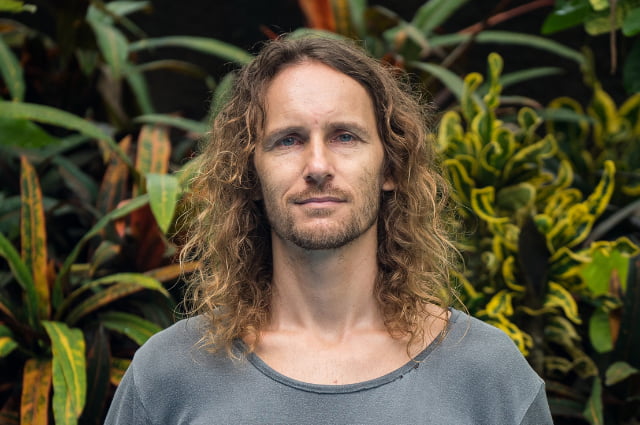
Anyone who wants to change how Bali handles its waste has to start with children. That is the idea behind Green Books, an organization founded by Czech native Petr Hindrich, which since 2014 has brought environmental education to more than 17,500 Indonesian children.
From a Backpack Full of Books to Education Programs
In 2013, on the island of Sumba, Petr Hindrich discovered that local children were growing up without books and without any knowledge of nature. He brought them more than 50 children's books about nature from Jakarta, and a year later he and his friends founded the Green-Books.org association in the Czech Republic. Since 2019, its sister foundation Yayasan Green Books Indonesia, led by Petr, has been operating in Bali. Instead of delivering books, it trains teachers and runs education programs that lead to behavior change and have measurable impact.
A Paradise Drowning in Plastic
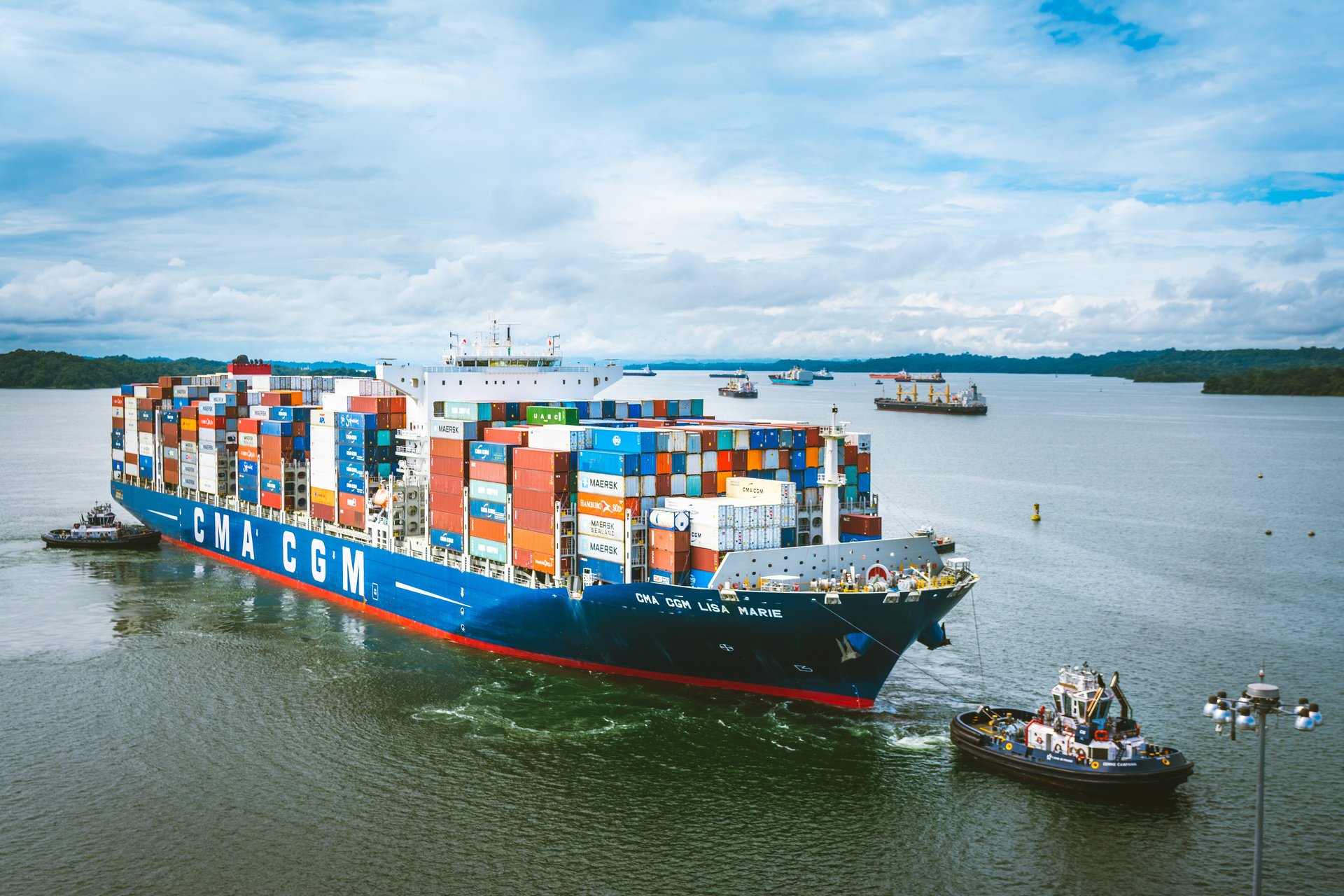
Indonesia is one of the world's largest sources of plastic pollution in the oceans. Every minute, 2 tons of plastic, mostly single-use, end up in the sea here. Most of it comes from inland areas and reaches the ocean mainly through rivers.
Bali feels this fully. When schoolchildren in Denpasar helped clean a river barrier run by the organization Sungai Watch, they found that a single small stream traps around 15 kg of plastic every day.
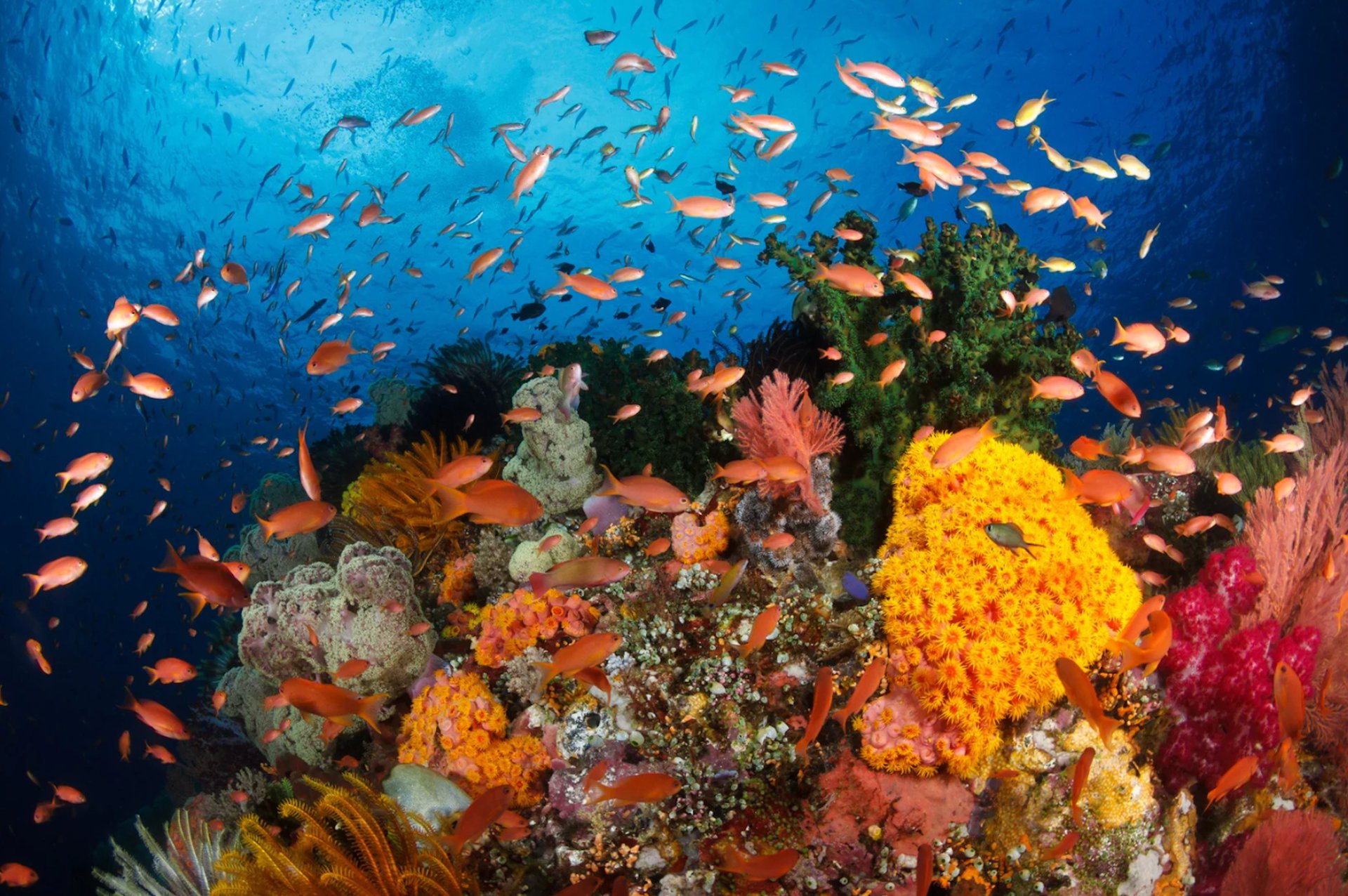
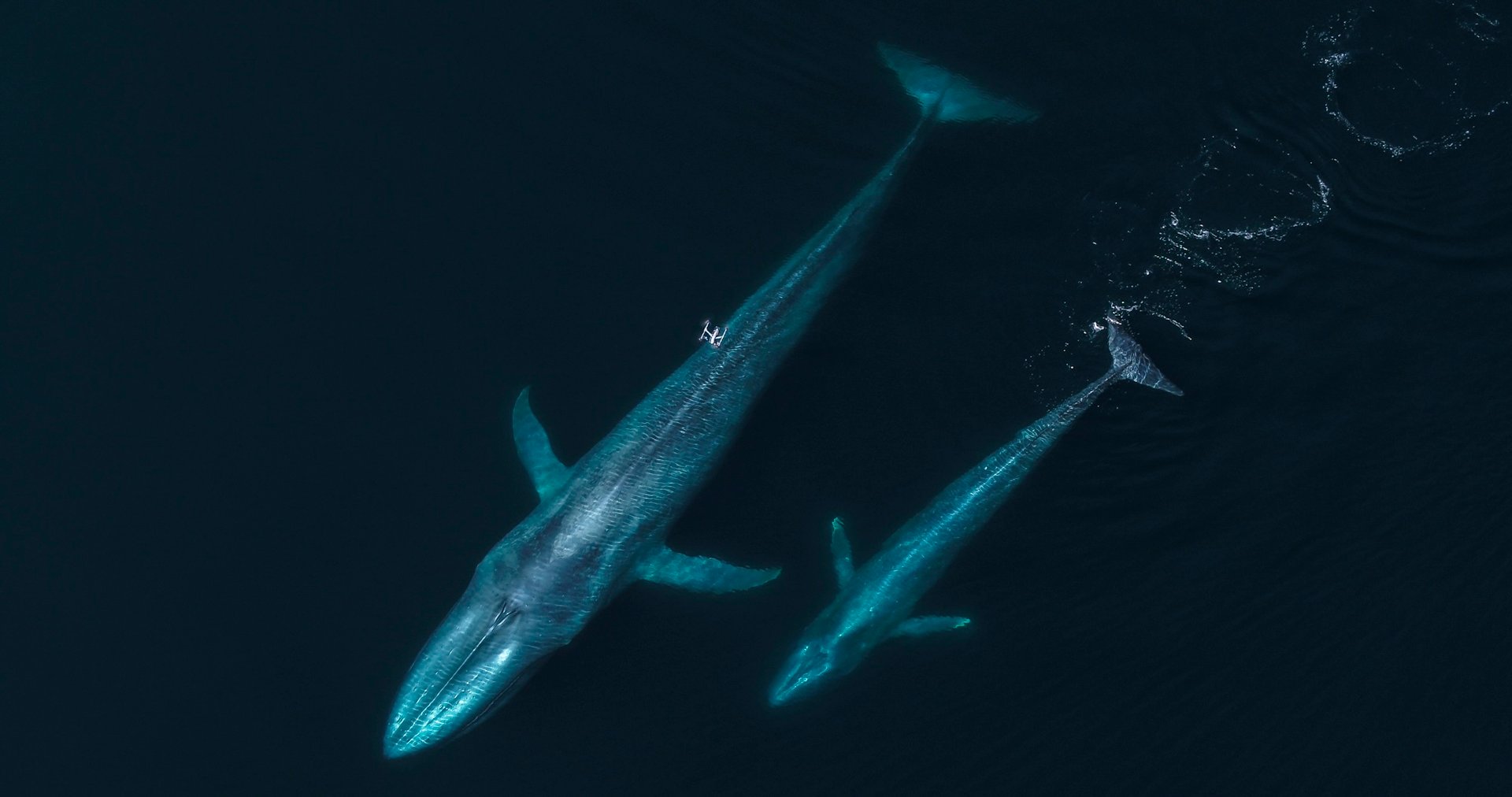
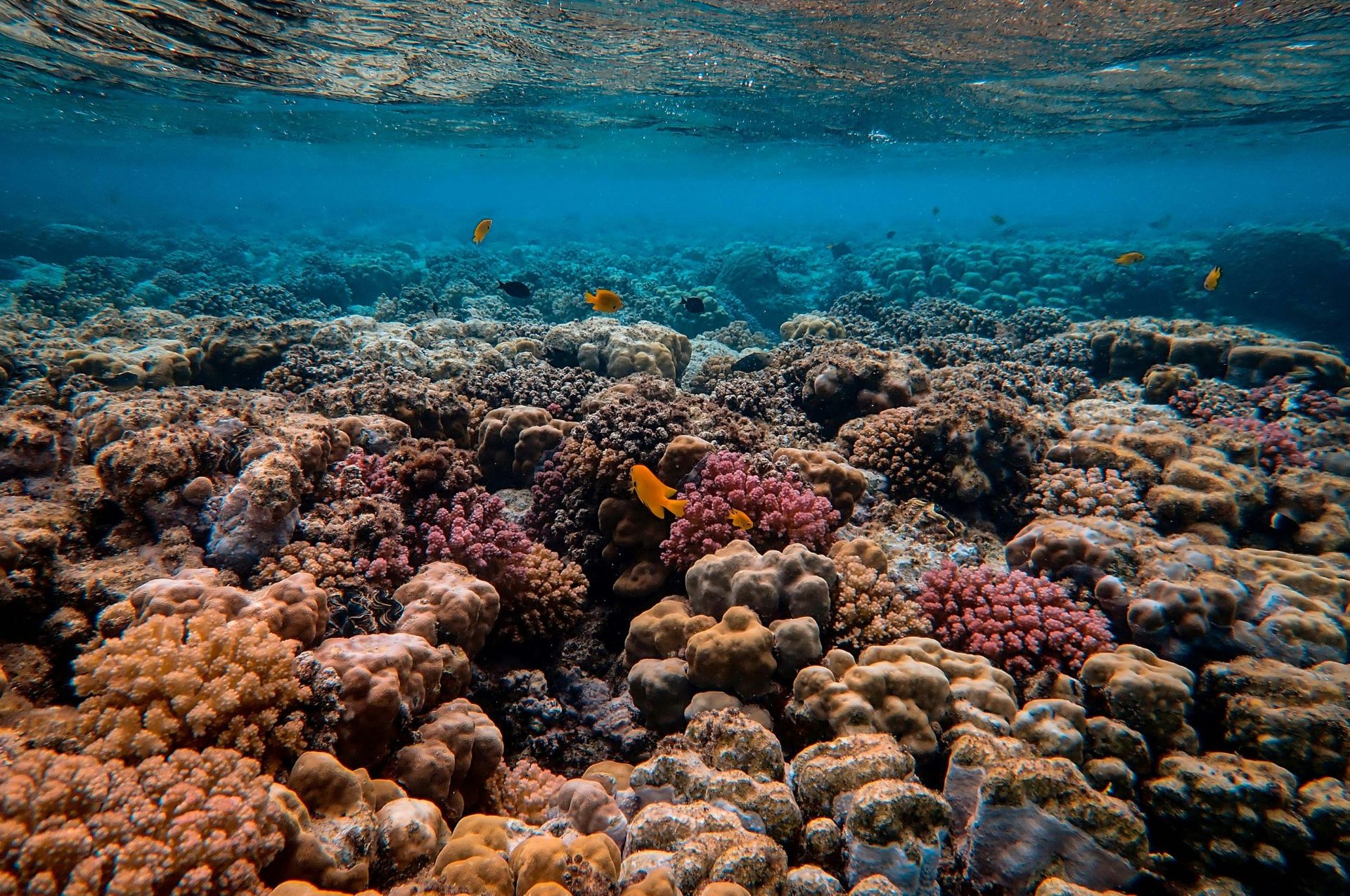
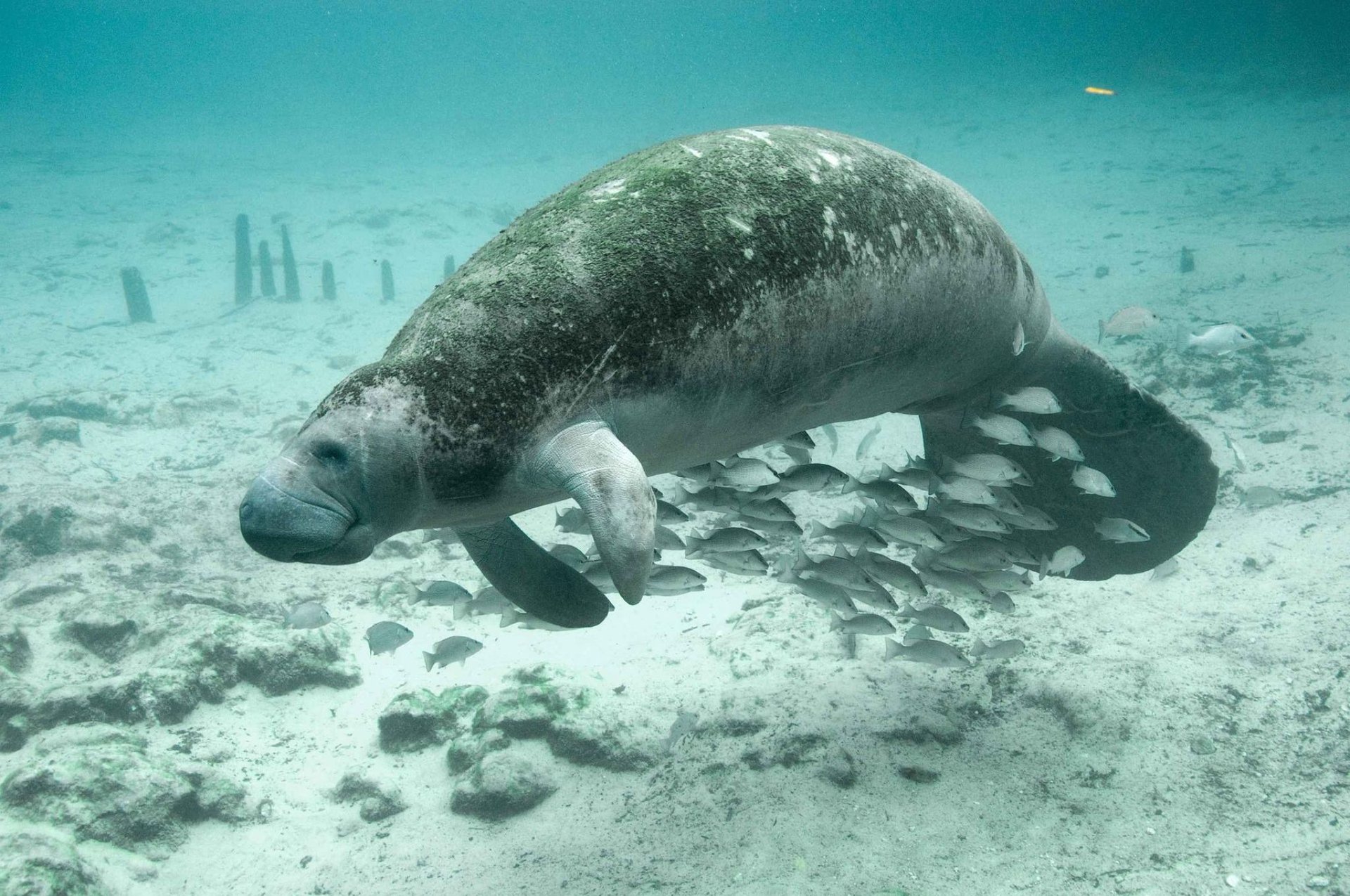
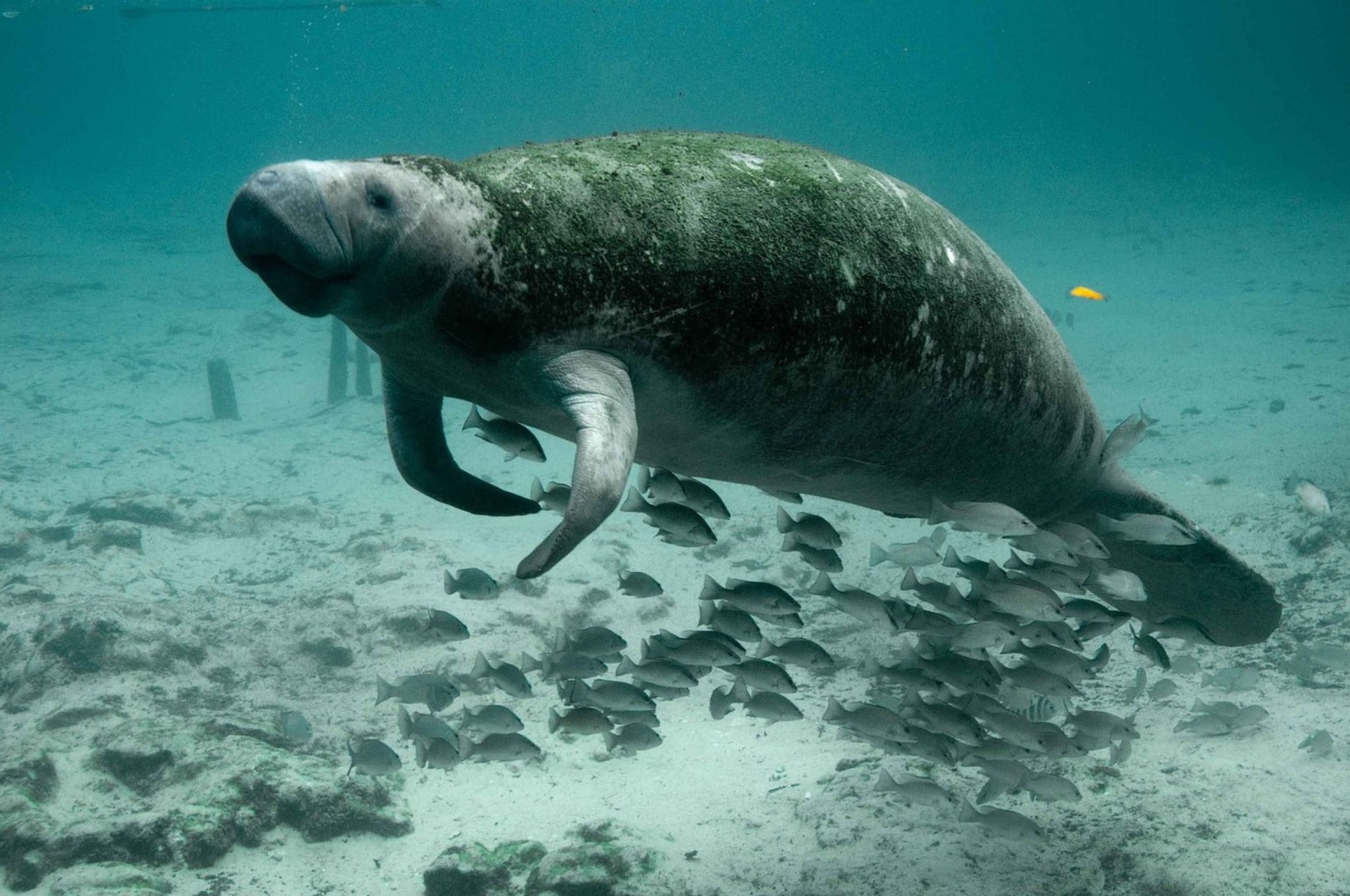
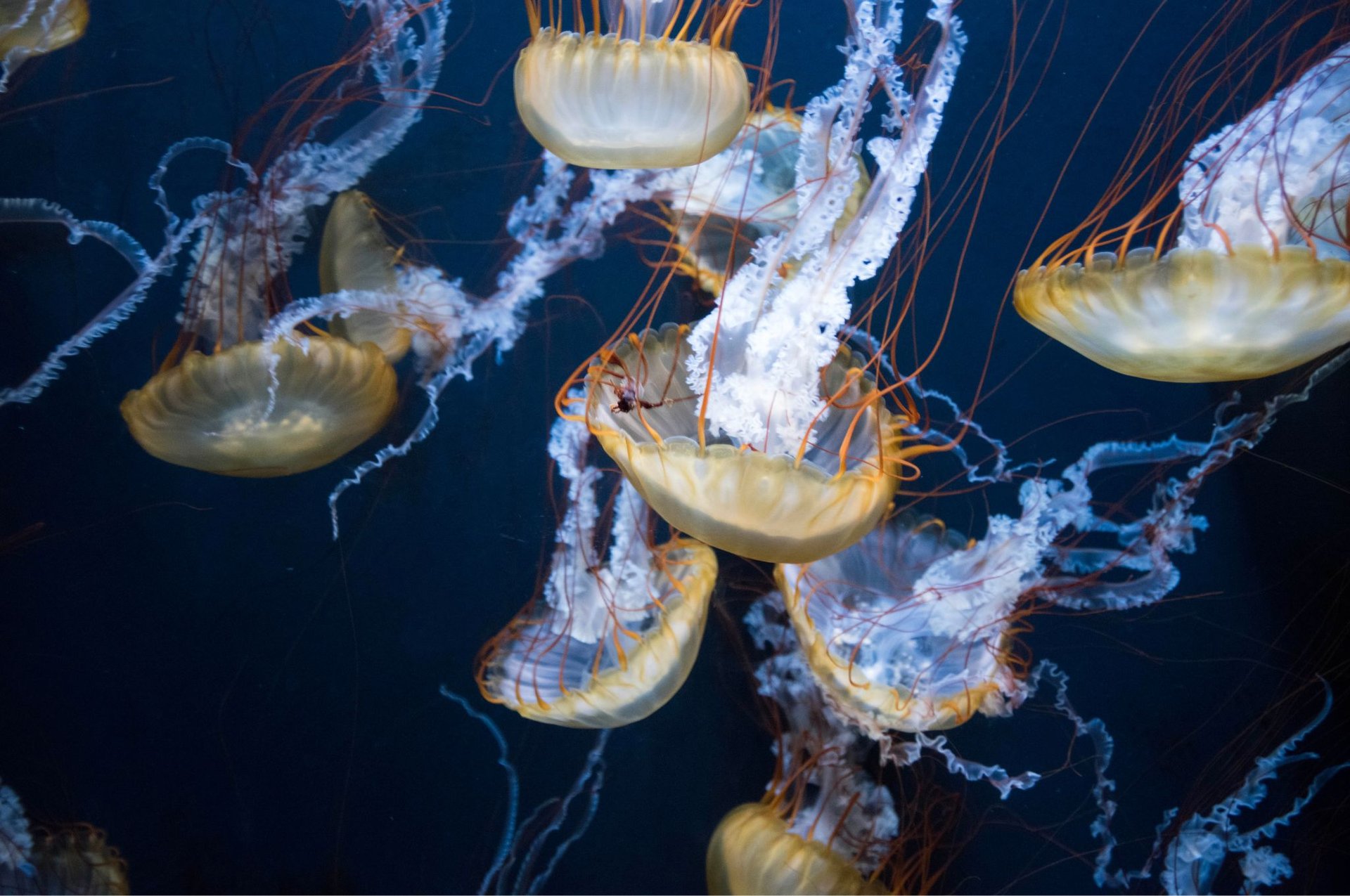
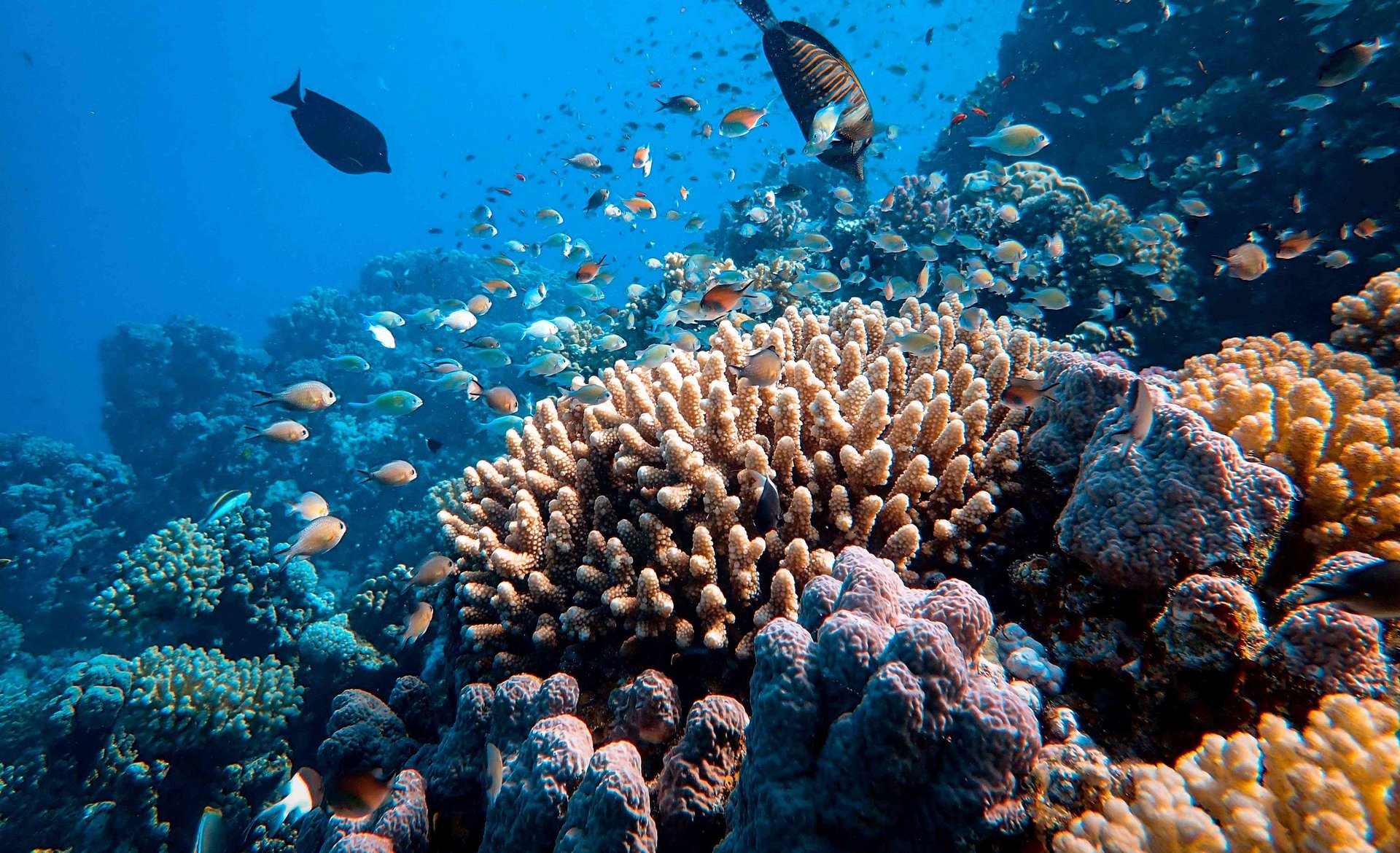
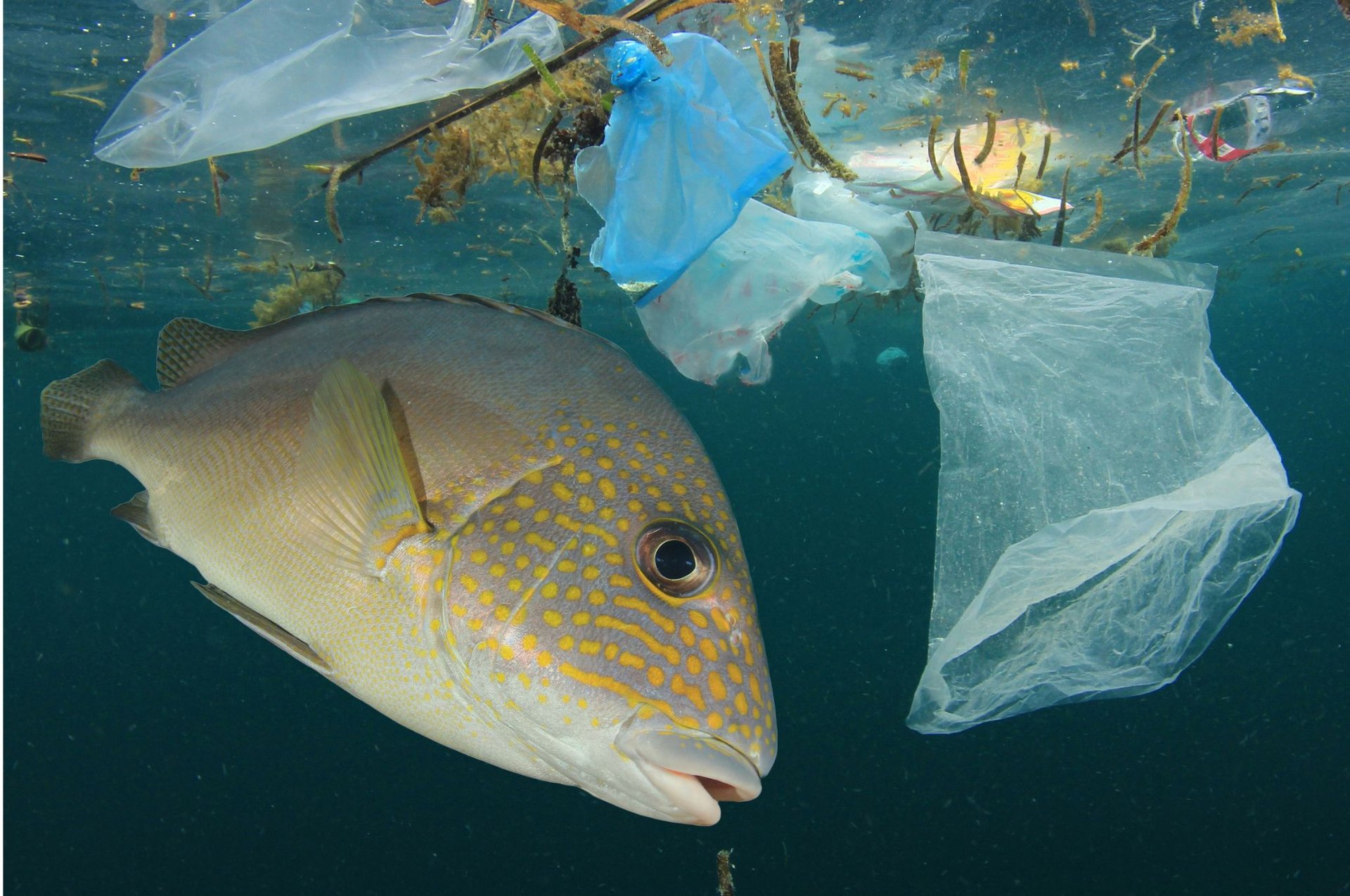
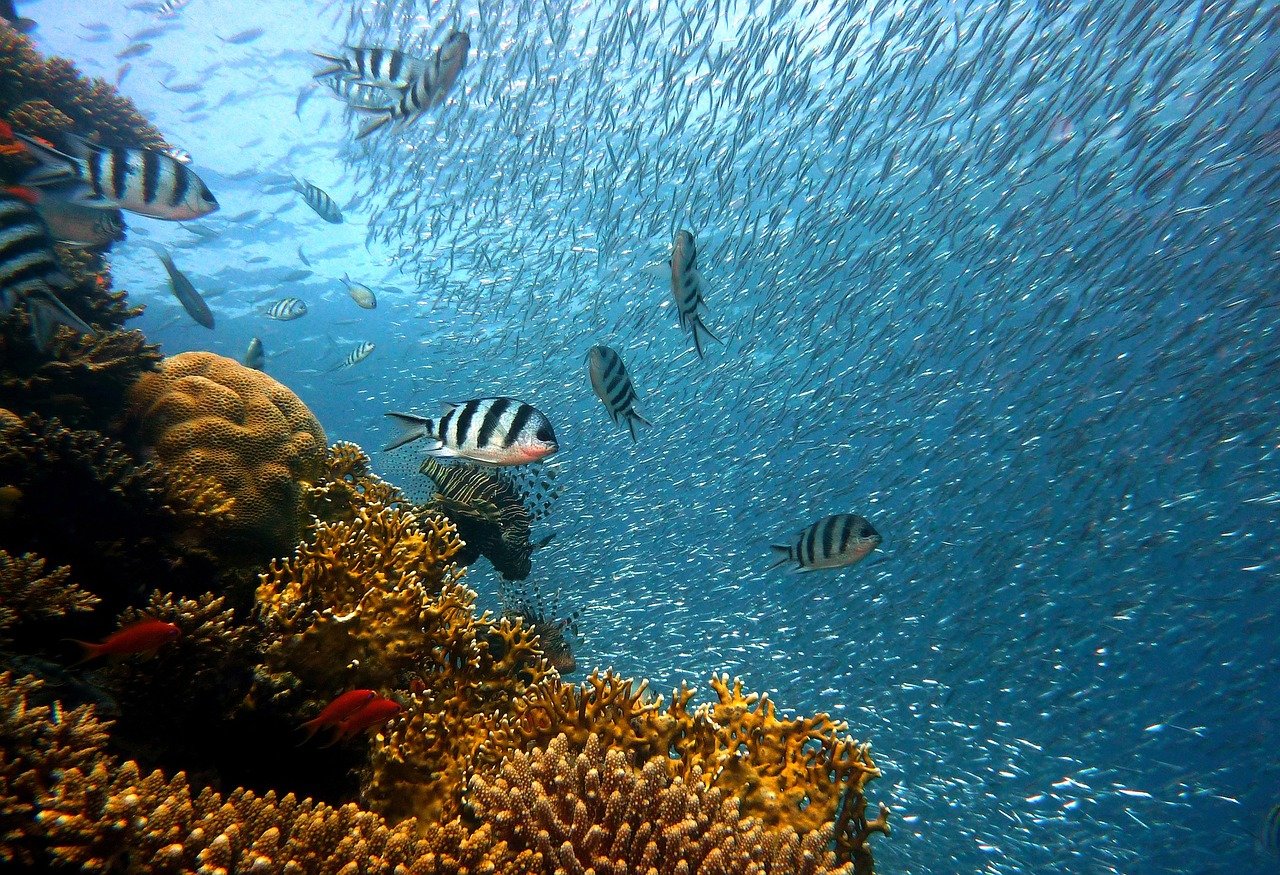
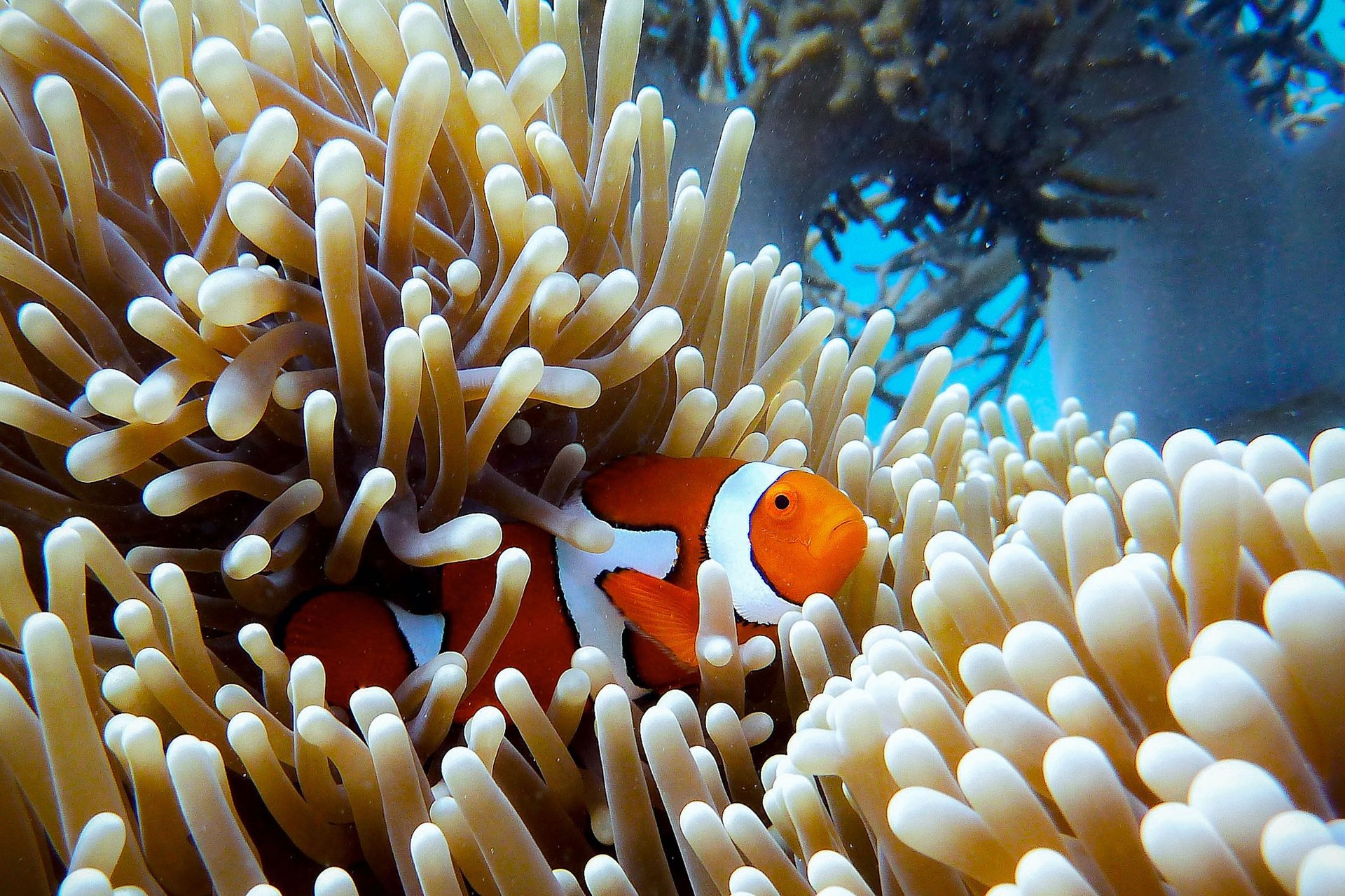
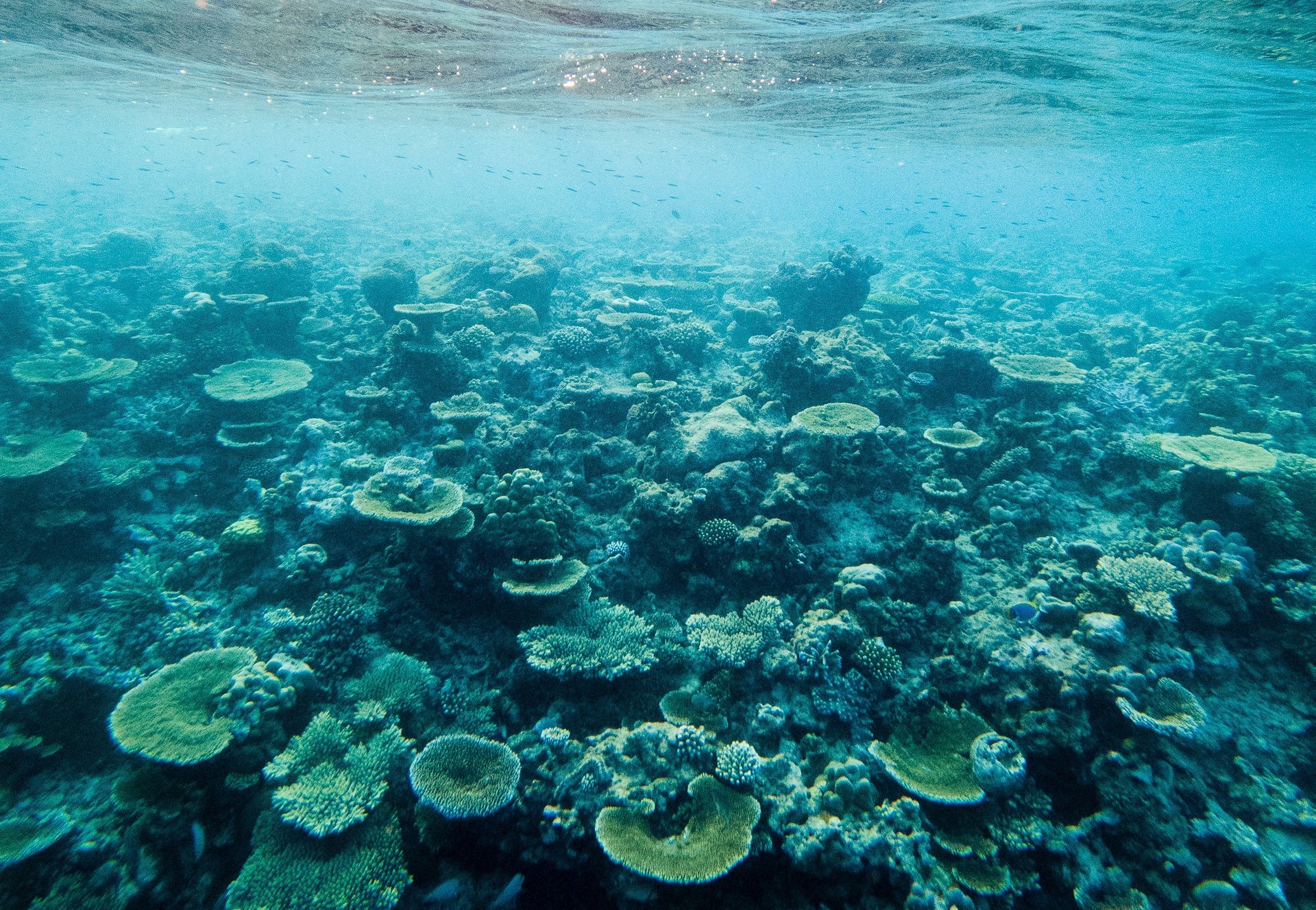
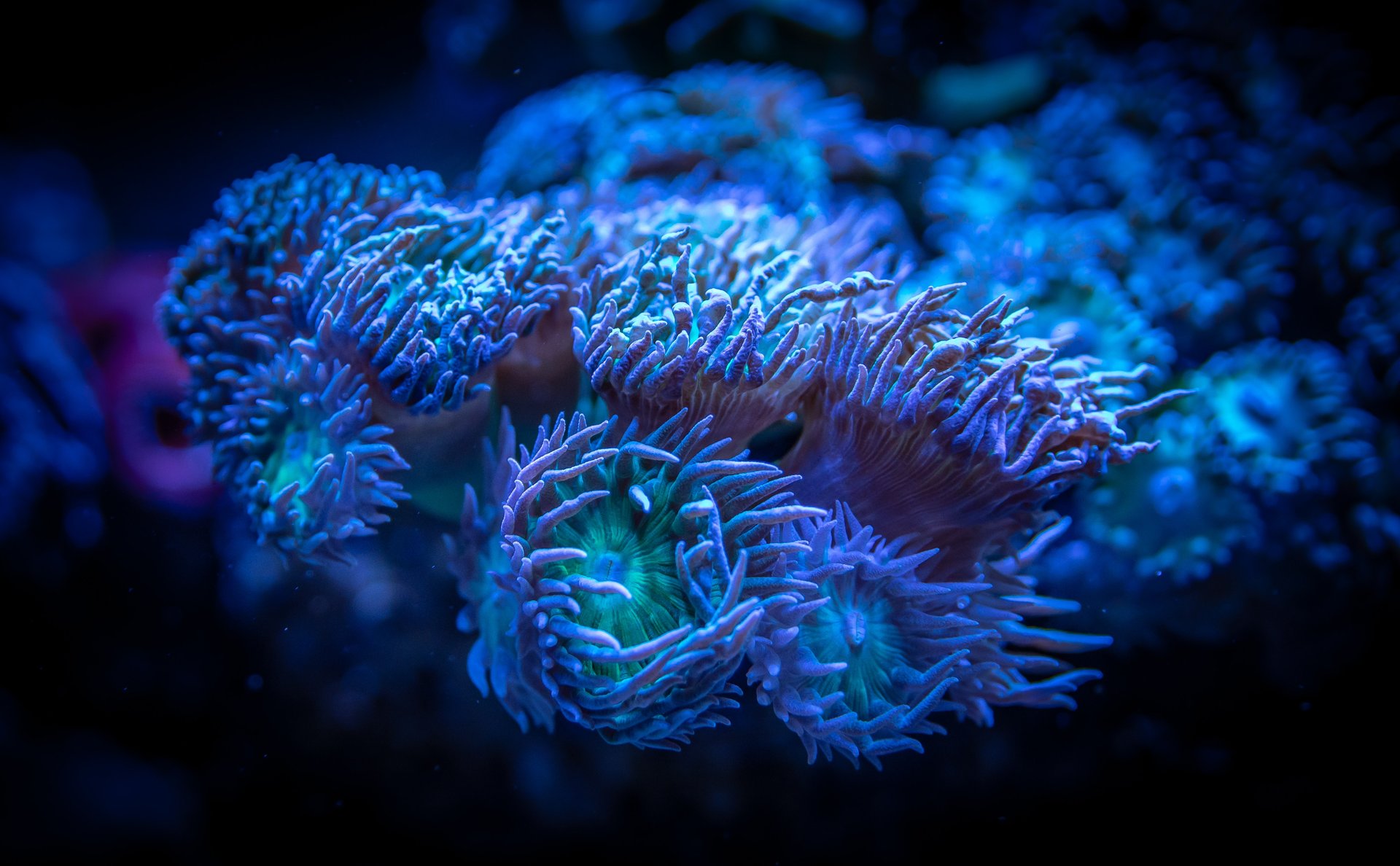
Plastic in the ocean is not just an eyesore. It also hurts tourism, which much of Bali's economy depends on, and threatens fragile marine ecosystems, including coral reefs. Marine animals mistake plastic for food, and microplastics return to people's plates through seafood. Indonesia also ranks first in the world for dietary microplastic intake per person.
Yet plastic does not come from somewhere far away. It comes from people's everyday habits: a plastic bag, a straw, a plastic bottle. And habits are easiest to change in childhood. That is why the organization focuses on the source of the pollution: communities and local schools. Indonesian schools, however, do not teach environmental topics systematically, and 85 million children are growing up without any education in waste management.
Zero Waste School: A Dramatic Drop in Waste
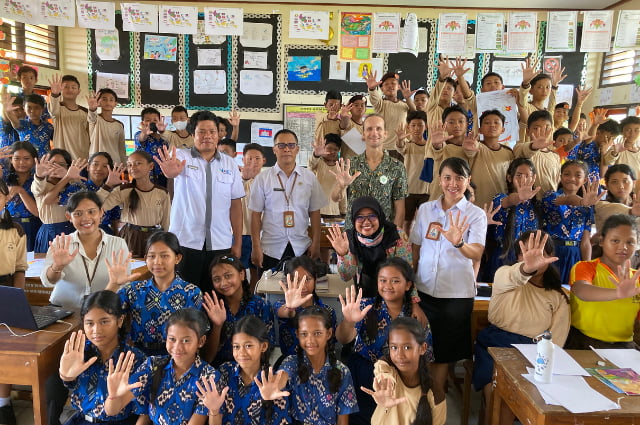
Today, the foundation's flagship project is the Zero Waste School Program, a unique model that combines education with improvements to school infrastructure. Thanks to the program, the pilot school cut its use of single-use plastics by 81%. After the program expanded to more schools, waste audits showed reductions of up to 90% in plastic and up to 95% in waste sent to landfill.
The program has been running since 2024 and now involves 21 primary schools with 6,642 pupils. It is fully aligned with Indonesia's national curriculum as well as other national and regional strategies, and it is approved by local education authorities.
The Education Part: 12 Lessons Kids Enjoy
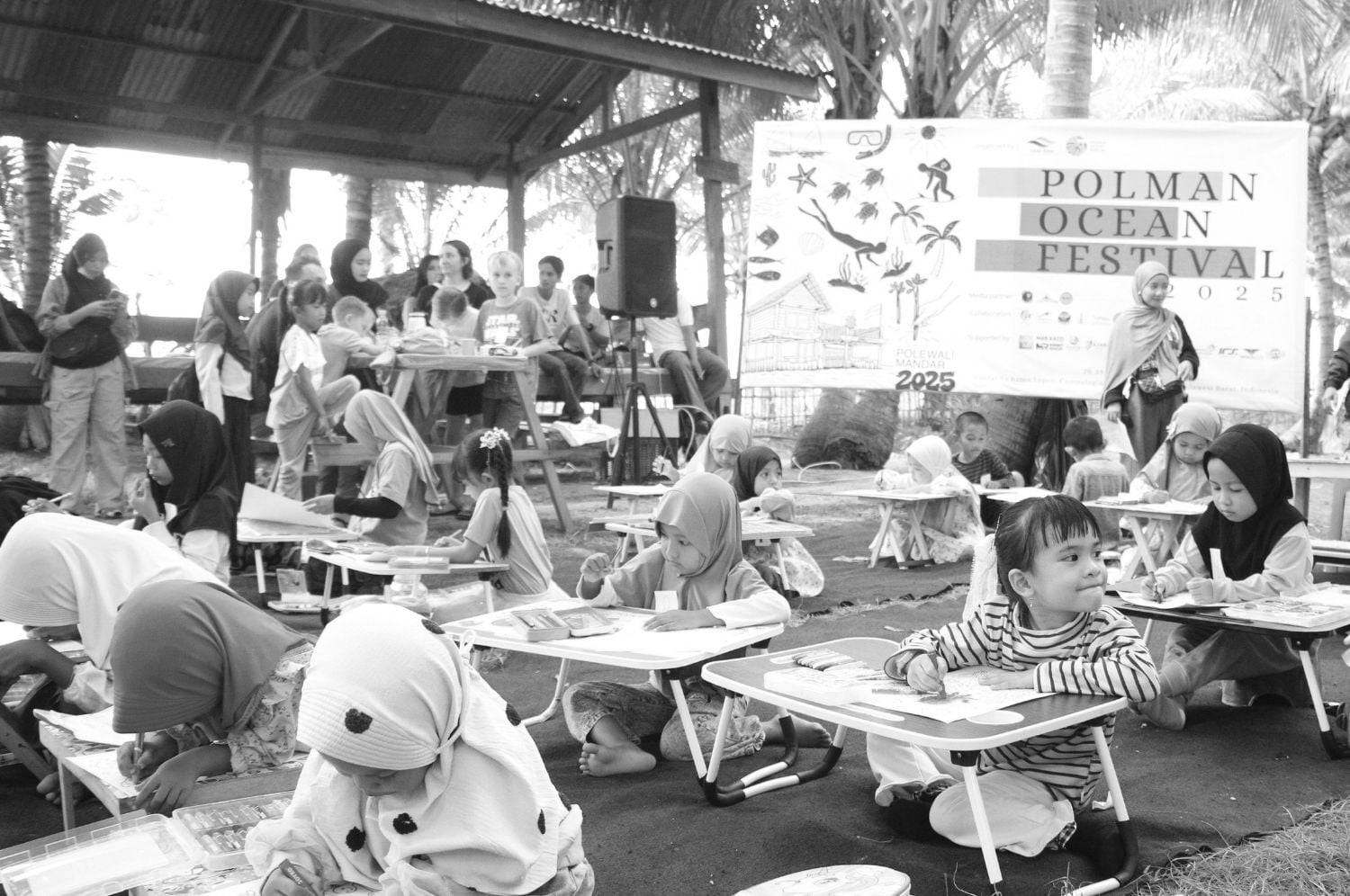
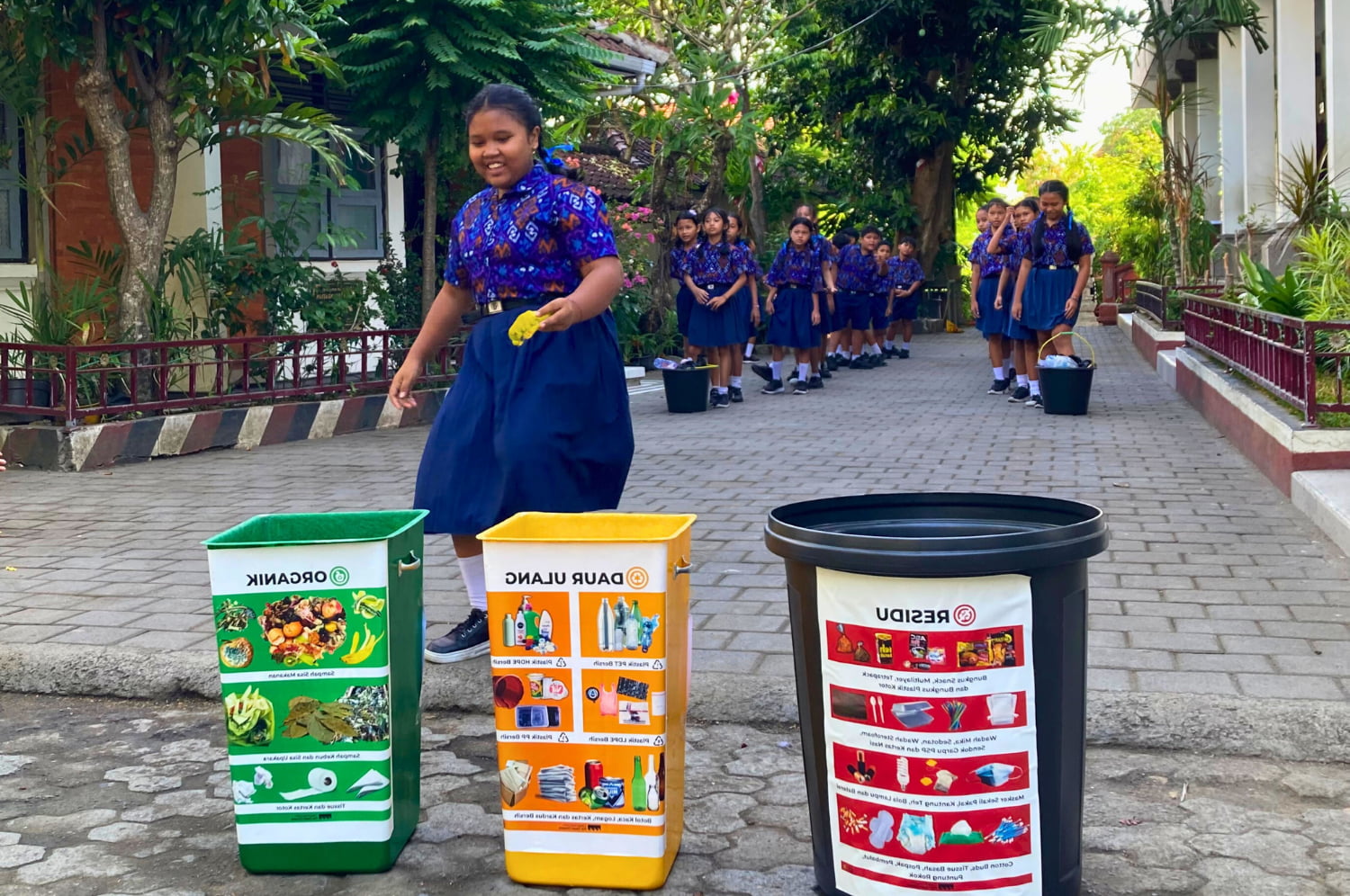
Pupils go through 12 lessons on the causes and consequences of plastic pollution, alternatives to single-use plastics, and waste sorting. Instead of traditional teacher-centred teaching, they learn through play: movement games, puppet theater, songs, quizzes, art projects, composting experiments, and documentary screenings. At the end, the children make a personal pledge to sort their waste and use fewer single-use plastics.
Why Cut Down on Single-Use Plastics
Recycling helps, but the best waste is the waste that is never created. That is why Green Books targets everyday plastic habits: a plastic bag from the shop, a straw in a soft drink, a plastic bottle or cup of water from a kiosk, a snack in a Styrofoam container.
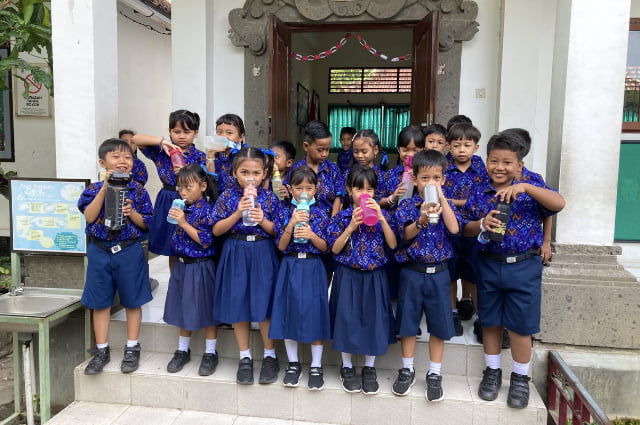
Single-use plastic is used for a few minutes but lasts in nature for hundreds of years. It gradually breaks down into microplastics that make their way into soil, water, fish and eventually the human body. Recycling alone will not solve this, because a large share of packaging and bags is practically impossible to recycle.
So in the program, children learn simple solutions they can manage on their own:
- carry their own bottle or glass instead of plastic cups and bottles,
- keep a cloth bag with them instead of a single-use plastic bag,
- bring their snack in a lunchbox,
- say no to straws.
Small things help too. Program graduates receive a Tasini bag made from two recycled PET bottles, which folds into a keychain shaped like a sea creature. The organization has handed out more than 7,800 of them so far. Schools also receive canteen equipment and water filters, and teachers get stainless steel lunch sets.
The results show it works. Teacher Gung Asri from SD Saraswati Sukawati describes how her pupils now bring their lunch in lunchboxes or banana leaves. One pupil even convinced his parents to stop giving customers plastic bags in their shop.
Transforming School Infrastructure
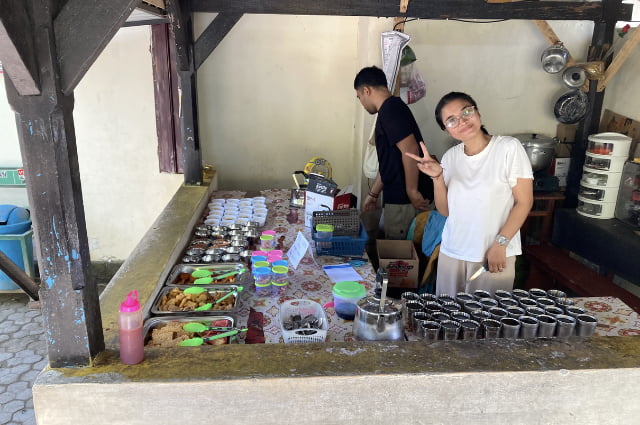
To make sure the new habits don't fade as soon as the lessons end, the program also changes the school environment itself:
- A canteen free of single-use plastics. An audit showed that most plastic waste is generated in the school canteen. That is why canteen owners take part in the training too. They visit a model canteen and receive stainless steel dishes, bowls, trays and cups that can be washed and reused.
- A sorting system: a set of bins for organic, recyclable and residual waste.
- Connections to local recycling collection points.
- Composting units that turn food scraps and garden waste into fertilizer.
Teachers as the Engine of Change
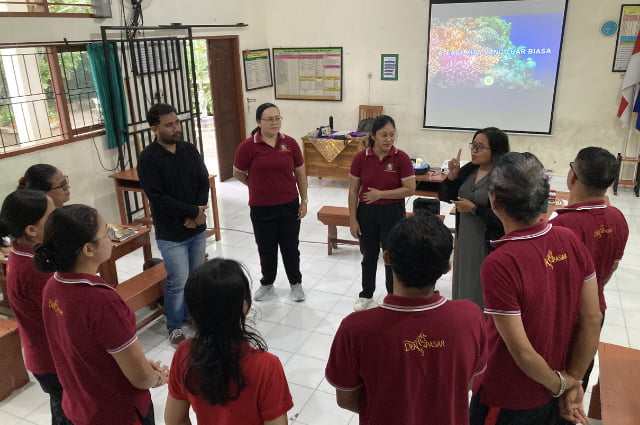
The first step before the lessons begin is a two-day teacher training, during which the Green Books team goes through the program with teachers lesson by lesson. All school staff are invited to the opening of the training so the whole school pulls together in reducing single-use plastics and sorting waste. Naturally, all food and drinks served at the training are free of single-use plastics.
Support Doesn't End with the Program
The Zero Waste School Program lasts about 12 months. After it ends, support continues through the Zero Waste Schools Network, which allows schools to share experience and knowledge over the long term, support one another, and actively involve local communities.
Why Teach Children
Habits formed at the age of ten stay with us for life. Changing an adult's behavior is much harder than teaching a child to do things differently from the start. Green Books therefore builds on the principle of early intervention: the earlier, the more lasting the result.
Children have one more advantage: they take what they learn home. Teacher Endang Kartini from SD No. 1 Canggu describes it well. Her pupils pass on what they learn to their families and friends, and they started bringing their own bottles to school to save both money and plastic. One class can influence dozens of households.
Funding Challenges
Schools are very interested in joining the program, and it has the backing of education authorities. But Indonesia is a developing country, and the government does not fund programs like this. If the foundation wants to expand the program to more schools, it has to raise the funds on its own, through fundraising and support from private donors and companies.
Goal for 2027: 50 Zero Waste Schools in Bali
The goal is to have a total of 50 schools in Bali enrolled in the program in 2027, which means 29 more. Educating one child costs USD 10.
According to a study by Making Oceans Plastic Free, teaching children about waste management is ten times more cost-effective than cleaning up plastic from beaches, rivers and the ocean afterwards.
Children have the most at stake. They will live on an island whose beaches, nature and tourism today's generation will either protect or destroy. Once they understand where a discarded plastic cup ends up, they become ambassadors of change before bad habits become the norm.